


Do I Need a Permit in Miami-Dade? What Florida's New Permit Law HB 803 Means for Homeowners in 2026

Updated: Sep 24
A New Permit Exemption Is Coming. Here's What You Need to Know Before Starting a Home Project.

Beginning July 1, 2026, Florida's new HB 803 permit law will change how some small residential projects are handled across the state.
Many homeowners have heard that "permits are no longer required for projects under $7,500." While there is some truth to that statement, it is also incomplete.
The new law creates a limited permit exemption for certain small residential projects, but many common home improvements will still require permits.
If you're planning a new build, a major renovation, or even a small repair project in Miami-Dade County, here's what you should know.
Quick Summary
Starting July 1, 2026:
✅ Some residential projects under $7,500 may no longer require a building permit.
✅ The exemption only applies to certain work on single-family residential properties.
✅ Electrical, plumbing, mechanical, gas, and structural work are still generally subject to permitting requirements.
✅ Flood hazard areas are not covered by this exemption.
✅ Projects cannot be broken into smaller jobs simply to avoid permitting.
The Question Everyone Is Asking:
Does HB 803 Eliminate Permits in Florida?
No.
This is not a permit-free law.
The law only creates a limited exemption for specific residential projects that meet all qualifying requirements. Most construction projects, additions, remodels, and technical trades still require permit review.
What Types of Properties Qualify?
The exemption is intended for:
Single-family homes
Certain small residential improvement projects
Projects valued under $7,500
If the project exceeds the threshold or involves excluded types of work, normal permitting requirements still apply.

What Work Still Requires Permits?
This is the most important section for Miami-Dade homeowners.
The exemption does not apply to:
Electrical work
Plumbing work
Mechanical work (HVAC systems)
Gas work
Structural work
In other words, if your project affects the structure of your home or involves major building systems, you should assume permits will still be required unless otherwise confirmed by your local building department.
What About Flood Zones?
Many Miami-Dade residents live in or near areas with flood-risk considerations.
The permit exemption does not apply to work located within designated flood hazard areas. Because flood zone regulations can vary by property, homeowners should verify their property's status before assuming a permit exemption applies.
This is especially important for:
Coastal neighborhoods
Waterfront properties
Homes near canals
Low-lying areas throughout Miami-Dade County
Can I Split a Larger Project Into Smaller Jobs to Avoid Permits?
No.
HB 803 specifically prohibits dividing a larger project into multiple smaller projects simply to stay below the $7,500 threshold. Attempting to do so could result in enforcement actions and additional complications during future inspections, property sales, or insurance reviews.
What Happens If a Contractor Performs the Work?
If a contractor performs work that qualifies for the exemption, Florida law requires certain documentation to be submitted to the local enforcement agency.
The filing must generally include:
Contractor name
License number
Property address
Scope of work
Project value
The exemption reduces permitting requirements for qualifying work, but it does not eliminate contractor licensing requirements.
What Are the Consequences of Ignoring the Law?
Homeowners should not assume that "no permit" means "no rules."
Even when a permit exemption applies, projects must still comply with:
Florida Building Code
Local zoning regulations
Contractor licensing requirements
HOA requirements
Condominium association rules
Insurance requirements
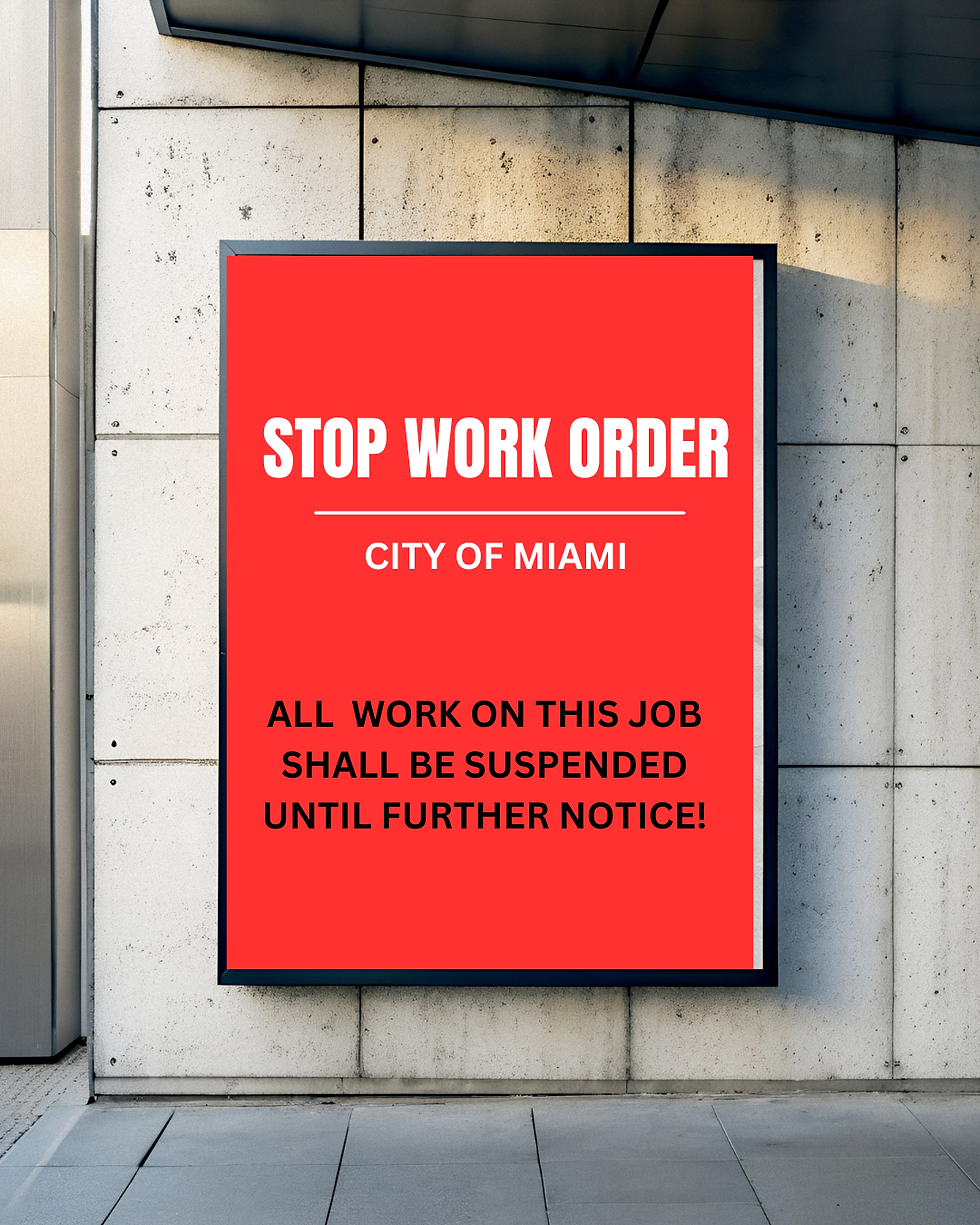
Potential consequences of improperly bypassing permits can include:
Stop-work orders
Code violations
Fines and penalties
Delays during future property sales
Insurance coverage complications
Requirements to remove or correct non-compliant work
What About Full Home Renovations?
If you're planning:
A whole-home renovation
A home addition
Structural modifications
Major kitchen renovations
Major bathroom renovations
New construction
This new exemption will likely have little impact on your project. Most large-scale renovations still require professional design, code review, and permitting through the standard process.
What About New Home Construction?
New home construction in Miami-Dade County still follows the normal permitting process.
HB 803 does not create a shortcut for building a new home.
Homeowners planning new construction should continue working with qualified design professionals to ensure compliance with zoning regulations, building codes, flood requirements, and permit approvals.
Bottom Line for Miami-Dade Residents
Florida's HB 803 may help simplify certain small residential projects beginning July 1, 2026.
However, it is not a blanket exemption from permits. Before beginning any project, ask three simple questions:
Is the property a qualifying single-family residence?
Is the work under $7,500?
Does the project involve electrical, plumbing, mechanical, gas, structural work, or a flood hazard area?
If the answer to any of those questions is unclear, it is worth confirming requirements before construction begins.
A quick conversation with your architect, contractor, or local building department can help avoid costly mistakes later.
Official Resources
For the most current information, homeowners can review:
Miami-Dade County Building Department
https://www.miamidade.gov/global/economy/building/home.page
The Florida Senate (HB 803)
Need Guidance Before You Build?
Whether you're planning a small renovation, a major remodel, or a custom home, starting with the right information can save significant time and expense.
At IAD Miami, we help homeowners understand how zoning, building code requirements, flood regulations, and permit pathways may affect their project before construction begins. Don't guess your way into a project, this will only lead to expensive headaches down the road. Contact us to schedule a free consultation so you start your next home upgrade the right way.
##The information in this article is general in nature and does not replace an official determination by the applicable authority for a specific property. ##


